Expansion and Integration: Hand in Hand for Transjabodetabek
Reported by Fakhrizal Fakhri | Translated by Nugroho Adibrata
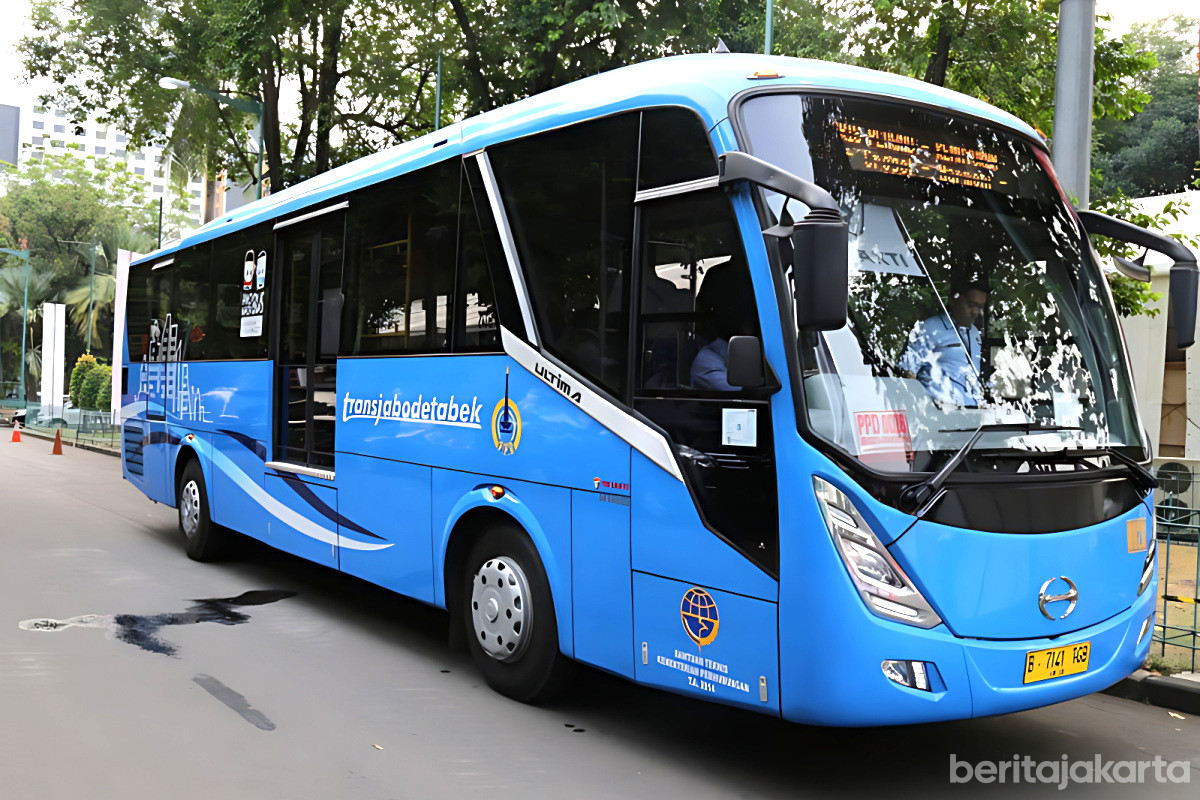
Jakarta City Council Commission D Member, Pantas Nainggolan has given the thumbs up to the planned expansion of Transjabodetabek services, specifically the Blok M–Soekarno-Hatta Airport route, which is slated for a pre-Idulfitri rollout.
It is a absolute necessity
He emphasized that widening transit services must go hand in hand with intermodal integration to effectively curb gridlock in Jakarta and its neighboring cities. This policy is in lockstep with Governor Pramono Anung’s vision of bolstering cross-regional connectivity.
However, he pointed out that the program’s success hinges on consistent implementation and a rock-solid regulatory framework.
Soekarno-Hatta Airport–Blok M Transjabodetabek Route Under Consideration"We are throwing our weight behind the Governor’s initiative, but at the end of the day, consistency is the name of the game. We need a regulatory roadmap that binds everyone—from local BUMDs to national BUMNs like PT KAI—to ensure the solutions we provide are truly seamless," he expressed, Wednesday (2/11).
He revealed that his team recently put their heads together in a Focus Group Discussion (FGD) titled 'Strengthening Integration and Equality of Jakarta's Transportation Modes Towards a Humanistic, Sustainable, and Globally Competitive National City.'
The discussion underscored that an all-encompassing policy is required to fit the Greater Jakarta (Jabodetabekpunjur) agglomeration model. He argued that cross-border integration is non-negotiable to tackle the city's increasingly intricate transit landscape.
"In due time, joined-up thinking in the context of our metropolitan area is essential. Greater Jakarta integration isn't just a goal; it is a absolute necessity," he explained.
Pantas is optimistic that a unified approach will help Jakarta wash away two of its biggest headaches: seasonal water inundation and the 'daily deluge' of bumper-to-bumper traffic. He noted that the city's goal is to ensure it is no longer under water—literally or figuratively—due to the massive influx of commuters.
"The vision is simple: a future where we no longer face the seasonal threat of rising water or the daily flood of vehicles that clogs up our streets," he closed.